

Ancient dragon lore, from an astronomical perspective
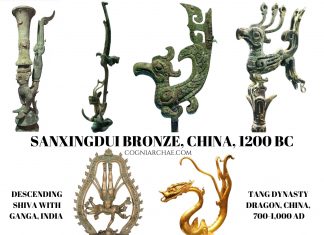
From Bronze Age Sanxingdui of China, to ancient Medditeranean - an exploration of dragon myths and their connections to astronomy.
Alexander – a different etymology
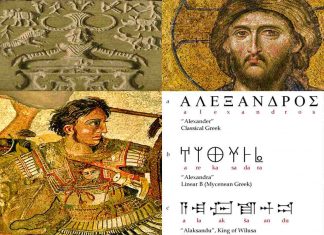
An aleternative etymology of the name Alexander. What is really behind the name?
Horned Neolithic headdress in Slavic culture – the story of Kichka
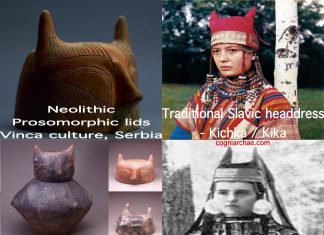
This is a story of a continuity. During the Neolithic, with the arrival of the agriculture, there was another type of culture that was shared. The culture of intoxication and religious ecstasy.
Cybele and Parvati – two names of the same goddess?
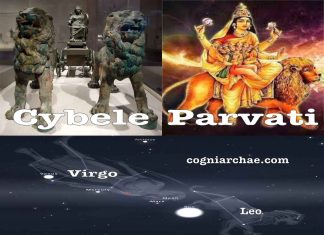
This is an important summary of some clear parallels between Hindu goddess Parvati and Phrygian Cybele. The key symbols and iconography are also explained.
Swastika – a fresh perspective on its multi-layered symbolism

Swastika cross has been around for more than 12,000 years. This is an attempt to analyise different layer of symbolism and interpretations that were added with time.
Burned house horizon of Neolithic Europe and its relation to Halley’s...

For 4,500 years, Neolithic cultures of Europe had been burning their settlements to the ground in regular intervals of 75-80 years.
Was this strange practice related to the orbital period of Halley's comet?
The symbolism of the cross from the religious and astronomical perspective

The article explores the astronomical symbolism of the cross and its influence on religion, especially Christianity.
Pre-Roman, Slavic toponyms of the ancient Balkans
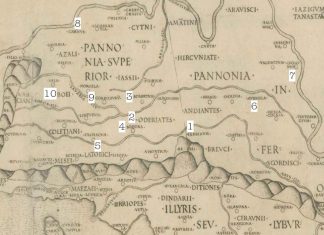
A list of toponyms of Pre-Roman Balkans that sound Slavic.
Does Cerne Abbas Giant represent the Orion constellation?
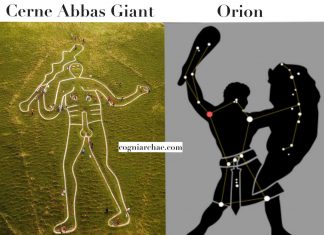
This article promots the idea that Cerne Abbas Giant looks precisely how the the ancients saw the constellation of Orion.
Trojan horse – the truth behind the myth
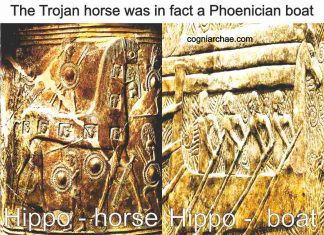
In 2016, an Italian naval archaeologist Francesco Tiboni proposed a groundbreaking theory - that the Trojan horse was actually a boat. This article examines the further implications of his theory.


