

On the Adriatic Veneti, their language and origins
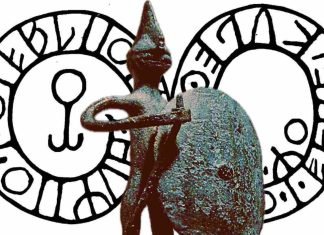
The article explores the Adriatic Veneti, an ancient group in northeastern Italy during the 1st millennium BC. They left inscriptions showing links to Latin and other Indo-European languages. It delves into their deity Trimusicates, speculating on connections to the Greek Muses. Linguistic analyses hint at ties to Latin and Slavic, suggesting a Balkan origin. The Veneti might have migrated from Anatolia after the Trojan War and intermixed with local populations in Italy, with their language likely rooted in Thraco-Illyrian with influences from Latin and Greek.
Silk and Slavs: Linguistic Links to Ancient India
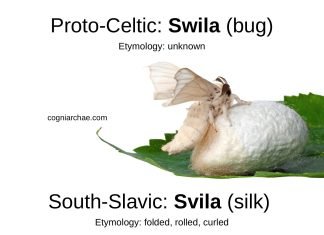
This article delves into the intriguing historical connections between silk, the Slavic people, and the Sanskrit language. It explores the origins of silk production in ancient China, the development of the Silk Road, and the migration of Slavic peoples. It also investigates linguistic links between Slavic and Sanskrit words for the mulberry tree, shedding light on the possibility of early interactions between Slavic cultures and the silk-producing regions of Northern India.
Ancient Middle-Eastern Artefacts Unearthed near Han, Croatia
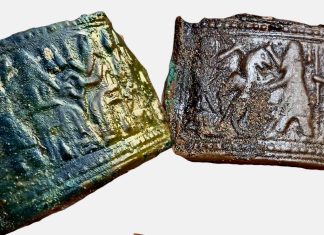
These mysterious artifacts, including bronze belt pieces and an intricately decorated vase, have raised questions about their origin and cultural significance. The post explores the symbolism found on these artifacts, suggesting connections to Assyrian culture and other Middle Eastern civilizations. It also explores the historical context of the region and its potential ties to ancient cultures.
Astronomical Interpretation of the Main Relief of the Yazılıkaya Chamber A

This article focuses on Chamber A and its reliefs, suggesting an astronomical interpretation. It discusses an online lecture by Eberhard Zangger, highlighting his interpretation and the author's own take on the central relief. The author associates deities with specific constellations, emphasizing the presence of astronomical symbolism in Chamber A and its potential role in passing down ancient knowledge to initiates.
On the Mysterious Avar Inscription from Vukovar, Croatia
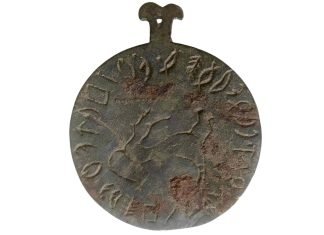
This amulet-like object, discovered near Vukovar, Croatia, bears an unidentified inscription and a central deer motif. Through an exploration of its symbolic significance, linguistic connections to Old Hungarian and Khazarian scripts, and influences from the Scythian culture, the article navigates the mysteries surrounding this artifact's origins and enigmatic script.
The Novilara Stele Inscription: A New Clue to the Philistine Migrations
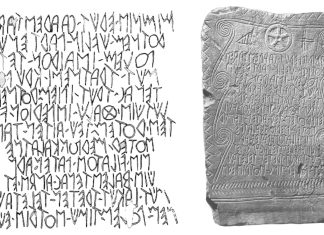
Discover the story behind a stone slab found in Italy, bearing an unknown language from the 7th century BC. Read the translation, offering a glimpse into a possible prayer to the Etruscan god Tin. Journey through connections to Philistines, Scythians, and linguistic influences.
The ancient Sabines and Serbs: A Common Origin Revealed by an...
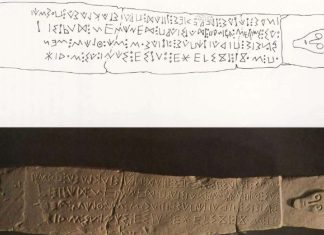
In a fascinating exploration of an ancient inscription, this article dives into the enigmatic world of the Sabines, an ancient Italic people who once inhabited the Apennine Mountains of Italy. Can the text of the Stele of Penna S. Andrea shed light on the Sabines' religious practices, societal structure, and potential affiliations with other tribes. Drawing intriguing parallels between the Sabines and the Serbs, the post opens up a captivating discussion on linguistic and cultural ties that transcend time and geography.
Lost in Time: Could Slavic Have Been the Lingua Franca of...

Embark on an extraordinary adventure through time as we journey to the sun-soaked shores of Sicily, where ancient inscriptions whisper tales of a forgotten past. Join us in unraveling the mysteries etched in stone by the Siculian tribe, and dare to explore the audacious theory that links their language to Proto-Slavic origins.
The Lemnian Stele Inscription
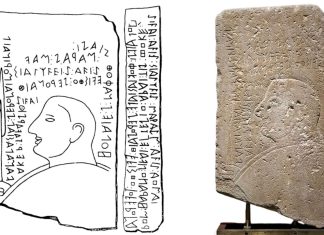
The Lemnian language was an ancient language spoken on the island of Lemnos in the northern Aegean Sea during the 6th and 5th centuries...
Reimagining Ancient Inscriptions: A Fresh Perspective on North and South Picene
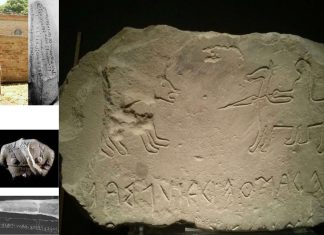
The Picene language, an ancient and mysterious linguistic treasure from Italy's eastern coast. Discover the distinct characteristics of North and South Picene inscriptions, which have baffled scholars for centuries. Unravel the complexities of these inscriptions as we delve into their meanings and potential translations.


